
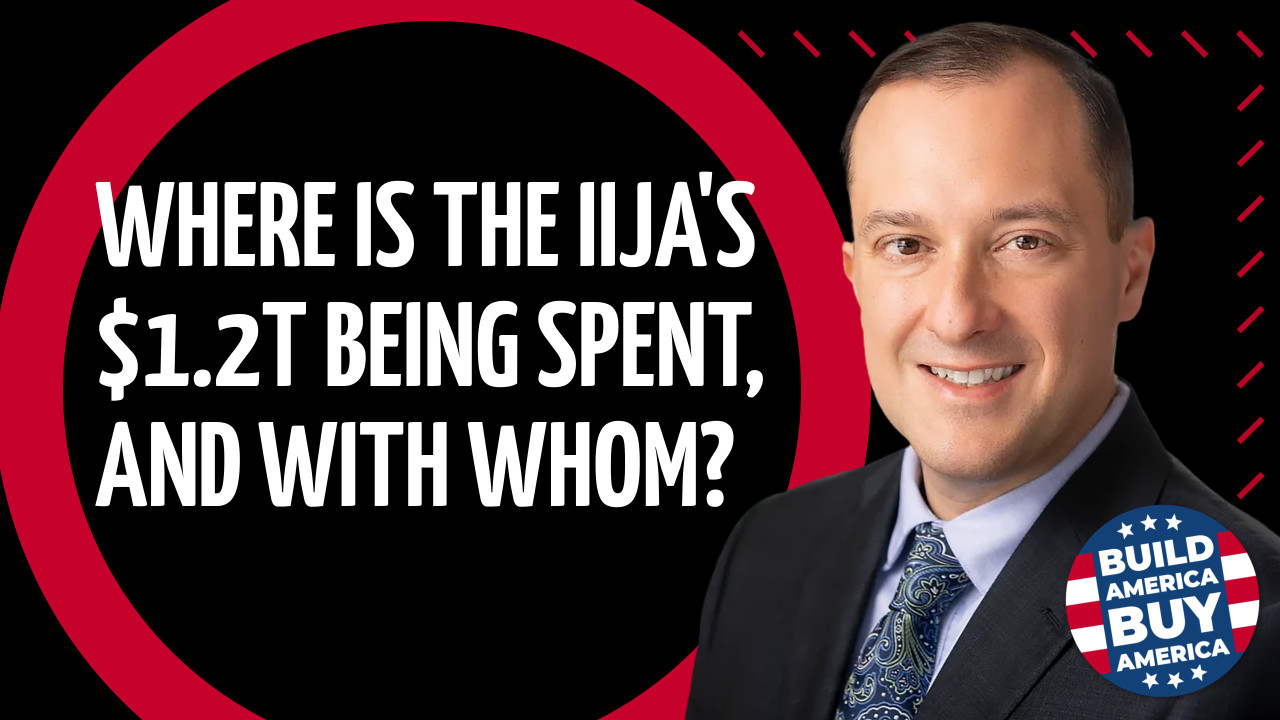
The Infrastructure Investment and Jobs Act (IIJA) represents a historic investment in America’s infrastructure, allocating $1.2 trillion of IIJA funding over five years, with $550 billion in new federal spending. This unprecedented funding initiative has reshaped the landscape of infrastructure development and necessitated new regulations to ensure that American businesses and workers benefit from this massive investment.
Listen to how Steven Koprince, retired government attorney and 20 year veteran government purchasing expert, breaks down the way that IIJA Funding is different in this clip from the FREE
Comply When You Buy Webinar:
↓↓↓↓↓↓↓↓↓↓↓↓↓↓↓↓↓↓↓↓↓↓↓↓↓↓↓
NEED TO LEARN MORE about federal funding available for construction and infrastructure companies through the IIJA, also known as the Bipartisan Infrastructure Law (BIL)?
Attend our free “COMPLY WHEN YOU BUY” Webinar and hear what Stephen Koprince—a federal government contracts educator with over 20 years of experience advising clients on federal purchasing matters—shares on the subject.
**FREE Access – BABA: Comply When You Buy Webinar!**
IIJA Funding: A New Era of Federal Infrastructure Funding
The IIJA was signed into law in November 2021 and aims to modernize and improve various aspects of America’s infrastructure, including:
- Roads and bridges
- Airports and railways
- Public transit systems
- Broadband internet
- Water infrastructure
- Clean energy initiatives
What sets the IIJA apart from previous infrastructure bills is not just its scale, but also its funding distribution method.
Indirect Federal Funding: A New Challenge
Unlike traditional federal spending, where the government directly contracts with businesses, most of the new IIJA funding opportunities are distributed through indirect means. This includes:
- Grants to state and local governments
- Cooperative agreements
- Funding to tribal organizations
This indirect funding model created a unique challenge: existing domestic sourcing requirements, such as the Buy American Act, typically apply only to direct federal procurement. With most IIJA funds being channeled to infrastructure construction through state and local entities, there was a risk that these investments might not prioritize American-made products and materials.

The Birth of BABA: Ensuring American Investment
To address this gap, Congress enacted the Build America, Buy America (BABA) Act as part of the IIJA. BABA extends domestic sourcing requirements to IIJA-funded projects, even when the federal government isn’t the direct purchaser.
Key aspects of BABA include:
- Domestic content requirements: BABA mandates that all iron, steel, manufactured products, and construction materials procured and purchased for IIJA projects be manufactured in America.
- Broader application: Unlike previous laws that only applied to specific sectors, BABA covers a wide range of infrastructure projects.
- Strengthening the supply chain: By prioritizing American-made materials, BABA aims to bolster domestic manufacturing and create jobs.

Why BABA Requirements Were Necessary
Several factors contributed to the need for BABA:
- Closing loopholes: Previous domestic sourcing laws didn’t cover indirect federal spending, creating a significant gap in coverage for IIJA projects.
- Ensuring economic benefits: With such a massive investment, Congress wanted to guarantee that American workers and businesses would reap the economic benefits by assisting with compliant purchasing.
- Strengthening national security: By reducing dependence on foreign-made materials, BABA construction requirements help enhance America’s economic and national security.
Implementing BABA Compliance
The implementation of BABA in October 2023 presents both challenges and opportunities for those involved in IIJA-funded projects:
CHALLENGES:
- Supply chain adjustments: Some industries may need to adapt their supply chains to meet BABA requirements.
- Cost considerations: In some cases, using American-made materials may increase project costs.
- Compliance complexity: Project managers must navigate new regulations and documentation requirements to stay compliant.
OPPORTUNITIES:
- Job creation: BABA is expected to stimulate job growth in American manufacturing sectors.
- Innovation: The need for domestic materials may drive innovation in production methods and materials.
- Long-term benefits: Investing in domestic production can lead to a more resilient and self-sufficient economy.
Navigating IIJA Federal Funding and BABA Compliance

For contractors, distributors, and government officials working on IIJA-funded projects, understanding and complying with BABA is crucial.
Here are some key steps to keep in mind during your procurement and purchasing project when using federal funding for infrastructure projects:
- Educate your team: Use educational resources to ensure all stakeholders understand BABA requirements and their implications.
- Review supply chains: Assess current suppliers and materials to identify any non-compliant elements.
- Seek guidance: Consult with relevant government agencies or legal experts for clarification on BABA compliance.
- Document diligently: Maintain thorough records of domestic material sourcing and manufacturing processes.
- Plan for waivers: Understand the waiver process for situations where domestic sourcing may not be feasible.
The Future of Infrastructure Investment
The IIJA and BABA represent a significant shift in how America approaches infrastructure development. By combining massive investment with strong domestic sourcing requirements, these initiatives aim to improve physical infrastructure and strengthen the American economy and workforce.

As the IIJA total funding becomes available, the full impact of these laws will become clear. What is certain is that they have set a new standard for infrastructure investment procurement that prioritizes American workers, businesses, and materials.
For those involved in infrastructure projects, staying informed about IIJA funding opportunities and BABA compliance requirements is essential. As America embarks on this new era of infrastructure development, the success of these initiatives will depend on the effective collaboration between government entities, private businesses, and the American workforce.
Next Steps Towards IIJA Funding
You’re well on your way to complying with BABA and benefitting from IIJA federal funding! Take the next step by watching our FREE on-demand, sponsored webinar featuring Steven Koprince, Government Purchasing expert and former Government Project Attorney.
Can’t find time to attend the webinar? Get the complete Webinar content overview in the Executive Summary by clicking the link below.
Through government programs like BAA, IIJA, and BABA, over a trillion dollars is available for funding federal projects. Contractors need to understand how to identify what products are USA-made—and distributors need to carry Made-in-America brands their customers can use! Our infrastructure bill breakdown is the best place to start that journey.
Finally…
Whether you are a contractor looking to stay compliant, or a distributor looking to help your customers purchase the correct Made in USA products, the Comply When You Buy Webinar is the best starting point for you to learn the ins and outs of federal infrastructure procurement!
READ TO THE END BONUS: When you attend the webinar, you will also get access to Steven Koprince’s exclusive IIJA Buyer Checklist that will help you stay compliant for all your infrastructure project purchasing.
Thank you to our sponsor, NSI Industries, your Made in USA partner for electrical connectors and more. Visit NSIIndustries.com for more info!
Leave a Reply